Most drivers only think about their mechanic when something breaks. But the vehicles that last the longest, run the most reliably, and cost the least over time almost always belong to owners who did the opposite: they took care of small things before they became big, expensive problems.
This is the entire idea behind preventive maintenance: routine, scheduled care that catches issues early, keeps your car running efficiently, and saves you thousands of dollars over the life of your vehicle. In this guide, we’ll break down exactly how preventive maintenance saves you money, what it typically includes, and why skipping it almost always costs more in the long run.
What Counts as Preventive Maintenance?
Preventive maintenance isn’t one single service; it’s a combination of smaller, routine checks and services performed on a regular schedule, usually based on mileage or time. For most vehicles, this includes:
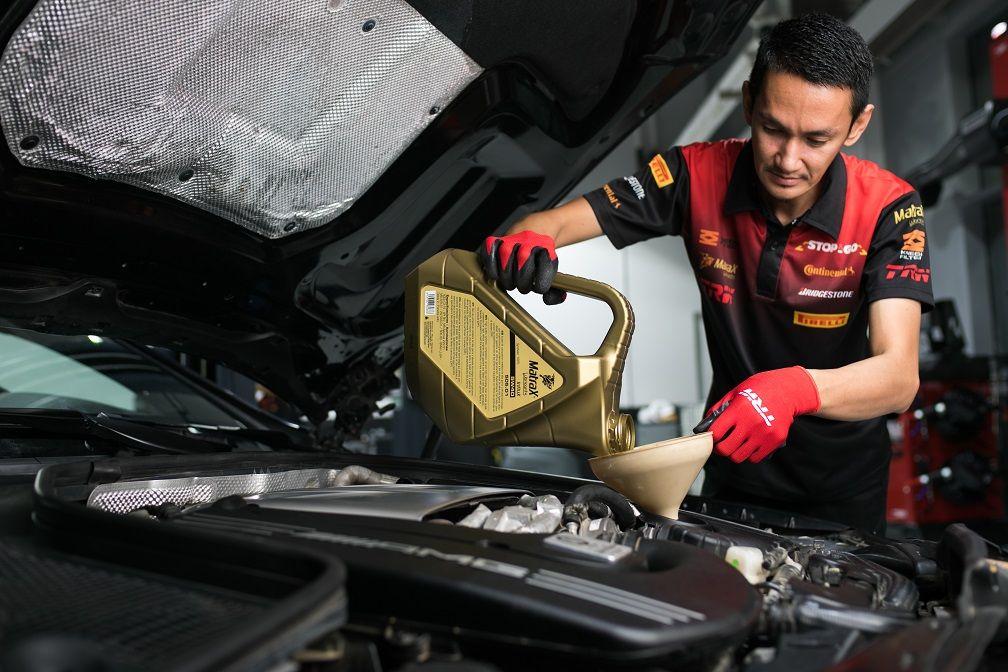
- Oil and filter changes – Keep the engine lubricated and prevent internal wear.
- Brake inspections – Catches worn pads before they damage rotors or calipers. (If you’ve noticed unusual noise or pedal feel already, check out our guide on the warning signs your car needs brake service.)
- Tire rotations – Promote even tread wear, extending tire life and improving handling.
- Fluid checks – Coolant, transmission fluid, power steering fluid, and brake fluid all break down over time.
- Battery testing – Identifies weak batteries before they leave you stranded.
- Belt and hose inspections – Catching cracking or wear before a belt snaps or a hose bursts.
Individually, these services are inexpensive. Together, on a consistent schedule, they form a safety net that protects the much more expensive components of your vehicle: the engine, transmission, and braking system.
1. Small Repairs Are Always Cheaper Than Big Ones
The core financial logic behind preventive maintenance is simple: a small, cheap fix now prevents a large, expensive failure later. For example, replacing a worn serpentine belt costs a fraction of what it costs to repair the damage caused when that belt snaps and takes out your alternator, power steering pump, or timing components with it.
The same principle applies almost everywhere in your vehicle:
- A $40 oil change protects a $4,000-plus engine.
- A $150 brake pad replacement prevents $600+ in rotor and caliper damage.
- A $30 coolant flush helps prevent a $2,000+ overheated engine repair.
As a result, drivers who stay consistent with maintenance schedules spend significantly less over the life of the vehicle than those who wait until something fails completely.
2. Preventive Maintenance Improves Fuel Efficiency
A poorly maintained vehicle doesn’t just risk breakdowns – it also costs you more at the pump. Dirty air filters, low tire pressure, old spark plugs, and thickened engine oil all force your engine to work harder, burning more fuel to do the same job.
Routine maintenance keeps these systems operating the way they were designed to, which means your engine isn’t wasting fuel to compensate for wear and buildup. Over months and years of driving, better fuel efficiency adds up to real, measurable savings – money that stays in your pocket instead of going toward gas you didn’t need to burn.
3. It Extends the Overall Life of Your Vehicle
Every major component in your car has a lifespan that depends heavily on how well it’s maintained. Engines that receive regular oil changes can run well past 200,000 miles, while neglected engines can fail in a fraction of that time. Transmissions, similarly, often fail early due to old, contaminated fluid rather than mechanical defects.
In addition, a well-maintained vehicle keeps its resale value much better than one with a spotty maintenance history. If you plan to sell or trade in your car down the line, a documented maintenance record can directly translate into a higher offer.
4. It Reduces the Risk of Unexpected Breakdowns
Breakdowns rarely happen at a convenient time or place. A dead battery in a parking lot, an overheated engine on the highway, or brake failure in traffic doesn’t just cost money to repair it can mean towing fees, missed work, rental car costs, and, in worst cases, accident-related expenses.
Preventive maintenance dramatically reduces these risks because most major failures give warning signs long before they happen. A technician performing routine inspections will often catch a weak battery, a leaking hose, or worn brake pads well before they turn into a roadside emergency.
If you’re ever unsure whether a warning sign needs attention, it’s always safer to have it checked. For brake-related symptoms specifically, take a look at our detailed breakdown of common brake warning signs to know what to watch for.
5. It Keeps Repairs Predictable Instead of Sudden
One of the most underrated benefits of preventive maintenance is financial predictability. Scheduled maintenance costs are relatively fixed and can be planned for, whereas emergency repairs are sudden, often more expensive, and rarely convenient.
Instead of facing a surprise $1,500 repair bill, drivers who follow a maintenance schedule typically spread out smaller, predictable costs over time. This makes budgeting for vehicle ownership far less stressful and helps avoid the financial strain of unexpected major repairs.
How Often Should You Schedule Preventive Maintenance?
While specific intervals vary by vehicle make, model, and driving conditions, a general guideline includes:
- Oil changes: Every 5,000–7,500 miles (check your owner’s manual for synthetic oil intervals)
- Tire rotation: Every 5,000–7,500 miles, often paired with oil changes
- Brake inspection: Every 10,000–12,000 miles, or sooner if you notice symptoms
- Fluid checks: Every oil change, with full flushes as recommended by mileage
- Battery testing: Once a year, especially before winter
Because every vehicle and driving style is different, the most reliable approach is to follow your manufacturer’s recommended schedule and have a trusted shop track your service history.
Trust Cherry Capital Auto Clinic With Your Preventive Maintenance
At Cherry Capital Auto Clinic, we’re a full-service auto repair shop in Traverse City, MI, serving gas, diesel, and electric vehicles. Run by two brothers who treat every car like their own, we help drivers stay ahead of costly repairs with honest, thorough preventive maintenance, not unnecessary upselling.
Explore our full range of maintenance and repair offerings on our services page, or reach out directly to get your vehicle on a maintenance schedule that protects both your car and your wallet.
Schedule your preventive maintenance service today: Call our main shop line: 231-642-5033. Visit us at 712 S Garfield Ave, Traverse City, MI 49686 🕗 Open Monday – Friday, 8:00 AM – 6:00 PM