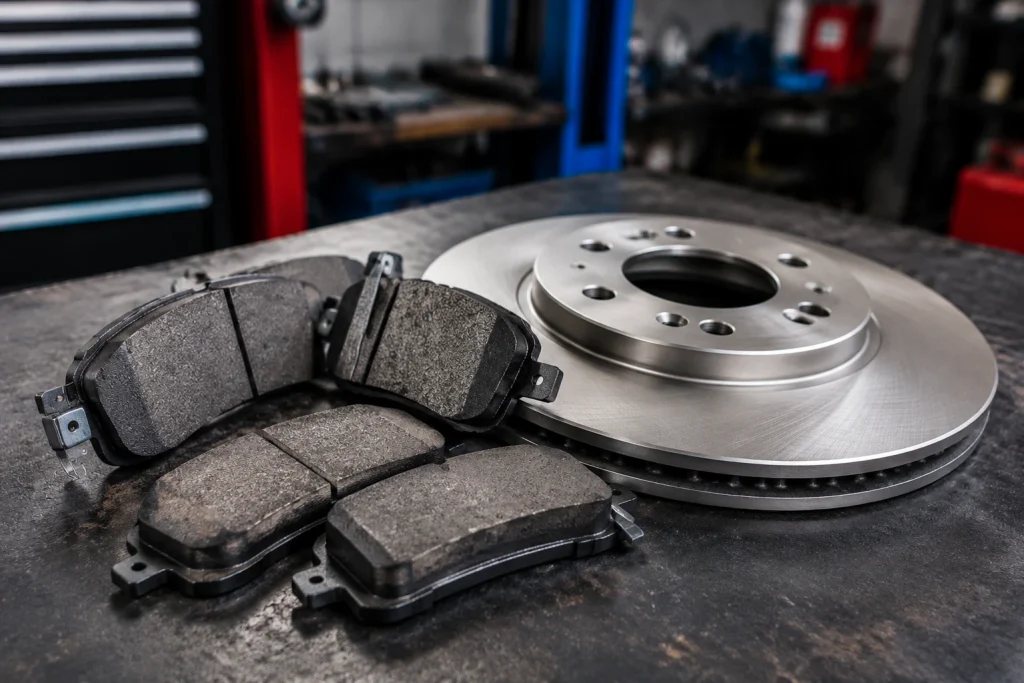
Few vehicle repairs are as common or as important as replacing worn brake pads. Whether you have started hearing a squealing noise when stopping, noticed your brake pedal feels different, or simply reached the recommended service interval, one of the first questions that comes to mind is: “How much does brake pad replacement cost?”
It is a reasonable question. Brake repairs are something almost every driver will eventually need, but the final price can vary significantly depending on your vehicle, the condition of your brake system, and the quality of parts being installed.
Some drivers search for the cheapest possible brake service, while others want to understand exactly what they are paying for. The truth is that a proper brake repair is not just about replacing a set of pads. A quality brake job involves inspecting the entire braking system, identifying potential problems, and making sure every component is working safely together.
At Cherry Capital Auto Clinic, we believe drivers deserve clear answers before approving any repair. Understanding what affects brake pad replacement cost can help you make a more informed decision and avoid unexpected expenses later.
What Is the Average Brake Pad Replacement Cost?
The cost of replacing brake pads depends on several factors, including your vehicle type, brake pad material, labor requirements, and whether additional components need attention.
For some vehicles, brake pad replacement may be a relatively simple service. For others, especially larger trucks, SUVs, performance vehicles, or luxury models, the cost can be higher due to larger brake systems and more expensive components.
A proper estimate should always be based on an inspection rather than a general price quote because two vehicles of the same year and model may require different repairs depending on driving habits and maintenance history.
For example, one vehicle may only need new brake pads, while another may also need rotors replaced because the old pads were worn too far.
This is why an accurate brake estimate requires looking at the actual condition of your vehicle.
What Is Included in a Professional Brake Pad Replacement?
Many drivers assume brake service simply means removing old pads and installing new ones. While the brake pads are the main component being replaced, a complete brake service involves much more than that.
A professional brake pad replacement typically includes:
- Removing and inspecting the existing brake pads
- Checking rotor thickness and surface condition
- Inspecting calipers and brake hardware
- Cleaning brake components
- Lubricating appropriate contact points
- Installing new brake pads correctly
- Checking brake operation after installation
- Performing a road test to confirm proper performance
This inspection process matters because brake components work together. Replacing pads without checking the condition of the rotors, calipers, and hardware can lead to continued noise, uneven braking, premature wear, or the need for additional repairs later.
A quality brake repair focuses on fixing the actual cause of the problem rather than simply replacing one part.
Factors That Affect Brake Pad Replacement Cost
1. Your Vehicle’s Make and Model
One of the biggest factors affecting brake pad replacement cost is the type of vehicle you drive.
A small passenger car usually has a smaller braking system with lower-cost components. On the other hand, larger vehicles such as trucks, SUVs, and heavy-duty vehicles require larger brake pads and rotors designed to handle additional weight.
Luxury and European vehicles can also have higher repair costs because they often use specialized brake components that may require specific parts and additional labor.
For example, replacing brake pads on a compact commuter vehicle will typically be different from replacing the braking system components on a large pickup truck used for towing.
2. Front Brakes vs. Rear Brakes
Your front and rear brakes do not wear at the same rate.
Most vehicles rely more heavily on the front brakes because weight shifts forward when the vehicle slows down. As a result, front brake pads usually wear faster than rear brake pads.
This means many drivers replace their front brake pads more frequently.
However, rear brakes should not be ignored. Depending on your vehicle design, driving habits, and brake system type, rear brake components may also require service.
During a brake inspection, technicians can measure wear levels and determine which brakes actually need attention.
3. Brake Pad Material Choices
Brake pads are available in different materials, and each type has different characteristics.
The most common types include ceramic, semi-metallic, and organic brake pads.
Ceramic Brake Pads
Ceramic pads are popular because they are generally quieter, produce less brake dust, and provide smooth everyday performance. However, they are often more expensive than other options.
Semi-Metallic Brake Pads
Semi-metallic pads are commonly used because they provide strong braking performance and handle heat well. They are often preferred for trucks, performance driving, and heavier vehicles.
Organic Brake Pads
Organic pads may offer a lower initial cost but may wear faster depending on driving conditions.
The best brake pad choice depends on your vehicle, driving habits, and what type of performance you expect.
A professional technician can help determine which option provides the right balance between cost, durability, and performance.
4. Rotor Condition Can Change the Final Cost
One of the biggest reasons brake repair costs increase is rotor condition.
When brake pads wear normally, the rotors may remain in good condition and continue working properly. In some cases, they may only require resurfacing.
However, if worn brake pads have been left too long, the rotors can become damaged.
Signs of rotor problems may include:
- Deep grooves
- Uneven wear
- Warping
- Excessive vibration during braking
- Grinding noises
Replacing damaged rotors along with brake pads increases the overall repair cost, but it is necessary to restore proper braking performance.
This is why delaying brake service can sometimes turn a smaller repair into a much larger one.
5. Waiting Too Long Can Increase Brake Repair Costs
Many drivers postpone brake service because the vehicle still seems to stop normally.
However, brakes often provide warning signs before a serious failure occurs.
Ignoring symptoms such as squeaking, grinding, or reduced braking performance can allow additional damage to develop.
A worn brake pad replacement may become:
- Brake pad replacement
- Rotor replacement
- Caliper repair
- Additional brake system repairs
Addressing brake problems early is usually the best way to protect both your vehicle and your budget.
If you are unsure whether your brake noise requires attention, our guide on Squeaky Brakes: What Does It Mean? explains the most common causes and warning signs.
Why Getting an Accurate Brake Estimate Matters
A brake quote without an inspection is often only an estimate.
The actual brake pad replacement cost depends on what your vehicle needs after the brake system has been evaluated.
Two drivers with similar vehicles may receive different recommendations because one vehicle may have maintained rotors while the other may require additional repairs.
At Cherry Capital Auto Clinic, we believe transparency is important. Our technicians inspect the brake system first, explain what we find, and provide recommendations based on the actual condition of your vehicle.
You can learn more about our approach through our pricing page.
Signs You May Need Brake Pads Replaced Soon
Not every brake problem starts with a major warning.
Common signs that your brake pads may need replacement include:
- High-pitched squeaking when braking
- Grinding noises
- Reduced braking response
- Longer stopping distance
- Brake pedal vibration
- Vehicle pulling while stopping
- Brake warning light
If you notice these symptoms, scheduling an inspection early can prevent further damage.
How Cherry Capital Auto Clinic Handles Brake Repairs
At Cherry Capital Auto Clinic, we believe brake repairs should be straightforward and stress-free.
Before recommending any repair, our technicians inspect:
- Brake pad thickness
- Rotor condition
- Calipers
- Brake hardware
- Signs of uneven wear
- Overall braking performance
This allows us to provide an accurate recommendation instead of replacing parts that do not need replacement.
Every brake repair is backed by our 12-month warranty, giving Traverse City drivers confidence that their vehicle has been properly serviced.
Whether you need brake pads, rotor service, or a complete brake inspection, our team focuses on providing reliable repairs that keep your vehicle safe.
You can explore our complete brake and suspension services to learn more.
Frequently Asked Questions About Brake Pad Replacement Cost
How much does brake pad replacement cost?
The cost depends on your vehicle, brake pad type, labor requirements, and whether additional parts such as rotors need replacement. The most accurate estimate comes from a physical brake inspection.
Do I need new rotors every time I replace brake pads?
No. Rotors do not always need replacement during every brake service. If they are within manufacturer specifications and in good condition, they may only need resurfacing or inspection.
Is it cheaper to replace front or rear brake pads?
It depends on the vehicle, but front brake pads often require replacement more frequently because they handle more of the vehicle’s stopping force.
How long do brake pads usually last?
Brake pad lifespan varies depending on driving habits, vehicle weight, road conditions, and pad material. Many brake pads last between 25,000 and 65,000 miles.
Can I replace only one brake pad?
Brake pads should generally be replaced as a pair on the same axle to maintain balanced braking performance.
Final Thoughts: Understanding Brake Pad Replacement Cost
When it comes to brake pad replacement cost, the cheapest option is not always the best option. A proper brake repair is about safety, reliability, and making sure every part of the braking system works correctly.
Understanding what affects pricing helps you avoid surprises and make better decisions about your vehicle.
If you are hearing brake noise, noticing changes in braking performance, or simply want to know the condition of your brake system, schedule a professional brake inspection with Cherry Capital Auto Clinic in Traverse City.
Getting your brakes checked early can help prevent expensive repairs and keep you confident every time you get behind the wheel.